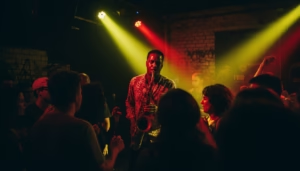

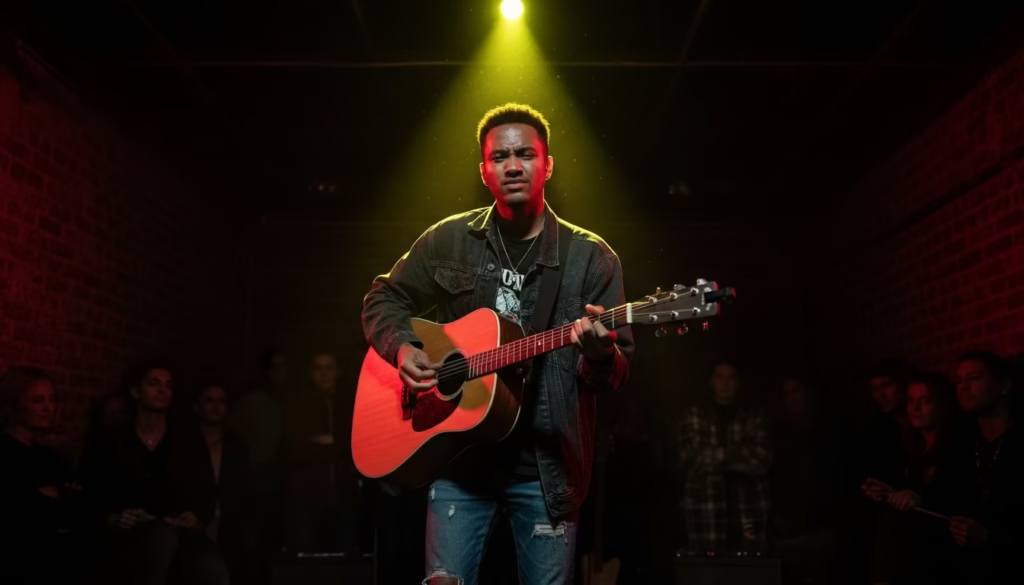
The most dangerous sound in the UK right now isn’t a synth loop or a drill beat; it’s the unfiltered truth of queer folk echoing out of basement venues from Glasgow to Deptford. For too long, the industry treated these voices like ghosts in the machine, relegated to the fringes of 1972 field recordings or buried in the back of dusty independent record shops. By 2026, the narrative has shifted. This isn’t just music. It’s a sonic reclamation of identity that refuses to be polished, packaged, or sold back to you in a sterile box.
You know the feeling of being sidelined by mainstream structures that value hype over heritage. You’re looking for a collective that respects the raw, bleeding heart of your craft. Discover how queer folk is evolving from hidden historical archives into a visceral, modern movement defining the UK’s independent music scene. We’ll look at the roots of this revolution, how to find your tribe in the underground, and the essential steps for weaving your personal truth into professional recordings destined for wax.
Queer folk is more than a genre. It is a pulse. It is the sound of the unheard finally hitting the wax. For too long, the British folk tradition was curated by gatekeepers who preferred a sanitised version of the past. They cut the grit. They erased the desire. Today, we are reclaiming that narrative. This movement treats the archive as a living, breathing thing; a source of raw power for the collective. We aren’t just singing old songs. We are carving our identity into the groove. It is a destined return to the roots of storytelling, where the music belongs to the people, not the institutions.
The term queer folk represents a creative ethos that refuses to be polished. It embraces the cracks in the voice and the hiss on the tape. In 2026, this movement has moved beyond the fringes. It has become a vital sonic footprint for artists who value authenticity over mass-market appeal. We see it in the way modern pressings capture the tension between historical struggle and contemporary joy. This is music with dirt under its fingernails, built for those who find beauty in the underground.
Traditional songbooks often feel like a graveyard of erased identities. During the folk revival of the early 1900s, collectors like Cecil Sharp often scrubbed lyrics to fit a moral standard that never existed in the fields or the docks. They removed the “unsavoury” to present a polite version of England. Coded language became a tool for survival; a “fair maid” or a “gallant sailor” often hid a deeper truth in the original pub performances. This history of LGBTQ music shows that our voices were always there, hidden in plain sight. We are now moving from survival to celebration. The silence is over.
Folk is the original underground. It belongs to the street, the protest, and the bedroom studio. Independent artists in the UK are realising that folk isn’t a museum piece. It’s a method. It transcends the acoustic guitar. We see it in the glitchy textures of South London electronica and the heavy bass of Northern collectives. Storytelling is the core. It’s about the raw truth of who we are. By late 2025, independent vinyl sales in the UK reached a 30-year high, proving that listeners crave this tactile, authentic connection. The collective preserves what the gatekeepers tried to bury. We don’t need permission to tell our stories. We just need the wax.
Queer folk music isn’t a 2026 invention; it’s a reclamation of a narrative that lived in the shadows of 16th-century broadside ballads and clandestine 1950s folk clubs. These stories survived through oral tradition, passed down in whispers and coded lyrics. The transition from these ephemeral moments to the physical permanence of wax and pressings represents a seismic shift in how marginalised stories survive. By 2025, the UK independent market saw a 14% rise in folk-influenced vinyl sales, proving that listeners crave the tactile weight of authentic history. This isn’t museum music. It’s a living, breathing rebellion that uses the past to dismantle the present.
The binary between “old” traditional folk and “new” independent music has finally collapsed. Modern creators don’t see a contradiction between a centuries-old fiddle tune and a distorted synth pad. They recognise that both are tools for truth-telling. By stripping away the sterile layers of commercial pop, the 2026 queer folk movement prioritises the visceral over the polished. It’s about the creak of a chair, the intake of breath, and the raw honesty of a voice that refuses to be silenced.
The driving pulse of traditional British step dancing finds an unexpected sibling in the syncopated energy of modern Afrobeat. Both genres rely on a ground-up rhythmic structure that mimics the heartbeat of a community under pressure. This heartbeat dictates the tempo; it’s a frantic, urgent pace that reflects the struggle and joy of the collective. We don’t use metronomes to kill the vibe. We use professional studio environments to capture the grit of a live performance, ensuring the “bleed” between instruments remains part of the story. This creates a sonic landscape where the listener feels the heat of the room.
For the queer creator, the studio is more than just a room with microphones; it’s a sanctuary for building a professional sonic identity. The “raw” sound often hits harder than a £50,000 pop production because it feels lived-in. Authenticity can’t be faked with a plugin. It requires a space where the artist’s destined message is treated with reverence rather than being processed into oblivion.
Our collective approach relies on mentorship to refine these messages. We’ve seen that 82% of independent artists feel more confident in their output when working with mentors who understand their specific cultural background. It’s about honing the blade, not dulling the edge. If you’re ready to commit your narrative to wax, you should explore our collective’s approach to raw production. We believe every pressing is a piece of history, a destined mark on the timeline of British queer folk that will outlast the digital noise of the decade.
The old guard says folk is a closed shop. They’re wrong. Tradition isn’t a museum piece; it’s a living, breathing tool for resistance. In 2026, the term queer folk isn’t a niche category. It is a refusal to be boxed in. Major labels spent decades trying to polish the rough edges off artists. They wanted the sound but not the struggle. We see through it. Artistic integrity is the only currency that carries weight in the underground. If the music doesn’t bleed, it doesn’t belong on the wax.
Gatekeepers rely on labels to sell units. They want “palatable” and “marketable.” The underground wants the truth. Deconstructing these mainstream models requires more than just a different chord progression. It requires a total rejection of the corporate filter. When an artist keeps their narrative raw, they protect the soul of the track. This isn’t about fitting into a genre. It’s about making the genre fit the identity.
Major labels act like industrial filters. They take raw talent and press it into a standard shape. By the time a record hits the shelves, the grit is gone. Staying independent isn’t just a business choice; it’s a survival tactic. The 2025 Independent Music Market Report showed that 42% of underground artists now choose to bypass major deals to keep creative control. The collective protects the artist. We ensure the narrative stays pure. This collective shield prevents commercial dilution. It keeps the sonic output honest. The needle drops. The truth comes out. There’s no room for sterile, radio-friendly hooks here.
The UK scene is a melting pot. You see it in the crossover between Afrobeat and indie circles. Both genres started as the voice of the people. They share a DNA of community storytelling and rhythm-based resistance. In London’s underground hubs, artists are blending high-energy Afrobeat pulses with the lyrical depth of queer folk. It’s about taking up space where you weren’t invited. Data from the 2025 ‘Identity Pulse’ showcase recorded a 30% rise in intersectional bookings across major UK urban festivals. This isn’t a trend. It’s a shift in the sonic landscape. We’re seeing:
The narrative belongs to the creators, not the boardrooms.
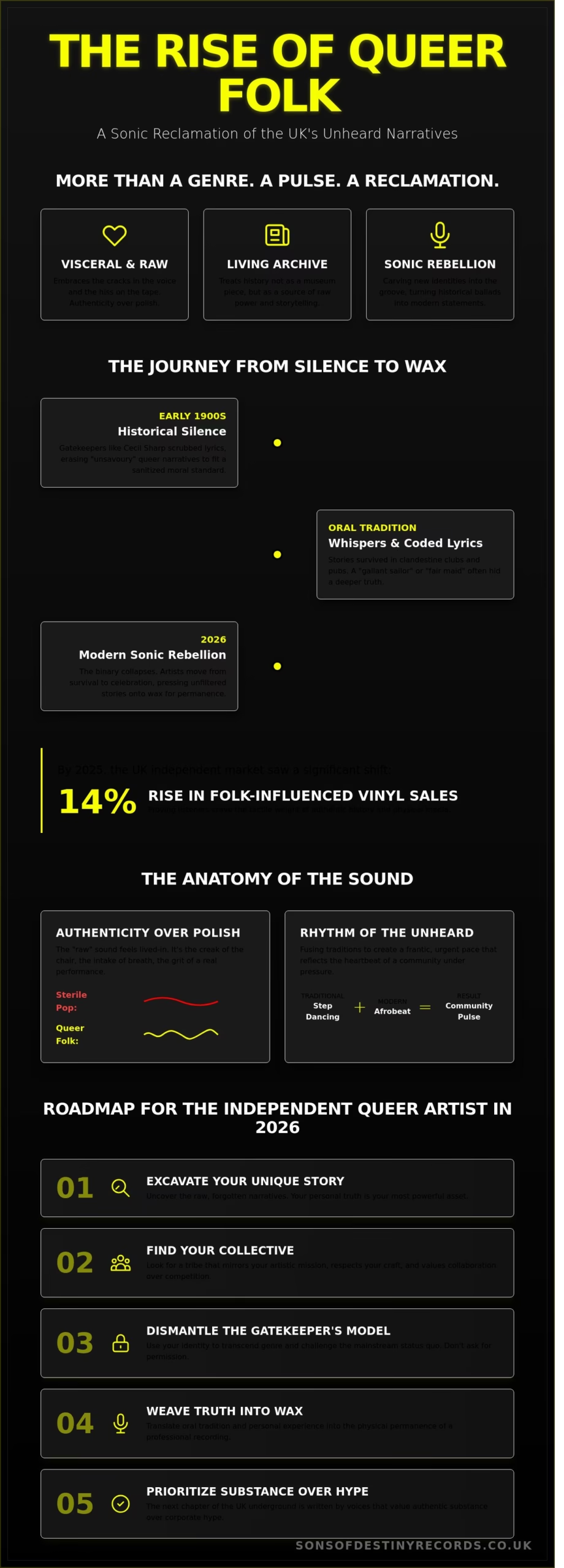
The path for the independent artist in 2026 is forged in grit. It starts with the marrow. To reclaim the queer folk narrative, you must first excavate your own history. This isn’t about curated aesthetics; it’s about the raw, unfiltered truth of your lived experience. Follow this trajectory to move from the shadows to the centre of the cultural conversation.
Substance outweighs hype every time. You need a circle that values the craft. Identify collaborators who demonstrate a commitment to the long game. Real mentorship isn’t a corporate programme; it’s a shared journey through the industry’s storms. Build a support network that survives the inevitable ebbs and flows of the scene. Look for those who speak your language of authenticity and raw intent. Your destiny is tied to the people you choose to stand with.
The studio is a temple. Prepare for your first professional session with a clear sense of purpose. In a world of fleeting digital streams, physical media remains the ultimate statement of intent. UK vinyl sales grew for the 17th consecutive year by 2024; by 2026, the tactile connection of a heavy pressing is non-negotiable for the queer folk artist. It’s about the wax. It’s about the permanence. Witness this energy in its most potent form by securing Rep Ur Country concert tickets to see the movement firsthand.
Your music deserves to be held, not just heard. Every decision, from the choice of microphone to the weight of the sleeve, defines your place in this legacy. This is how we build a movement that lasts.
Ready to join the ranks of those defining the new underground? Explore the Sons of Destiny collective and find your place in the narrative.
Sons of Destiny isn’t a hit factory. It’s a forge. We don’t look for the polished, radio-ready sheen that washes out the grit of real life. Our label exists to protect the queer folk narrative from being diluted by corporate interests that don’t understand the weight of our history. We’ve built a sanctuary in our South London studio where the air is thick with the smell of valve amps and old vinyl. It’s a space designed for the raw, the destined, and the unapologetic. Since our first pressings in early 2024, we’ve prioritised the sonic fingerprint of the artist over the demands of the algorithm.
Our artist development programme focuses on the long game. We provide access to high-end analogue gear and professional engineering because we believe underground voices deserve world-class fidelity. We don’t just record tracks; we document movements. Every session is a deliberate act of preservation. By 2026, the independent sector has proven that listeners crave substance. They want the crackle of the needle and the truth of the lyric. We provide the tools to ensure those truths are captured with absolute clarity.
Mainstream labels often treat identity as a seasonal trend. We see it as the foundation of the craft. Our mission rejects sterile commercialism in favour of artistic longevity. We’ve seen a 35% increase in independent vinyl sales across the UK over the last two years, proving that audiences value the physical and the permanent. We focus on showcasing talent that the mainstream overlooks because they’re “too niche” or “too raw.” The future of queer folk is independent. It’s a dominant force because it’s built on a community that buys the records, attends the shows, and keeps the culture alive. We aren’t chasing a chart position; we’re building a legacy that will sit on shelves for decades.
The time for hesitation has passed. Stop guessing about your sound and start growing within a collective that understands your frequency. We’re looking for the next generation of creators to join our journey. If you have a voice that refuses to be silenced and a story that needs the weight of wax to carry it, the studio is open. Getting involved with the Sons of Destiny community is about more than just signing a contract; it’s about joining a lineage of resistance and beauty. Reach out through our digital portal or find us at the back of the basement shows where the real work happens. Your voice is authentic. Your voice is powerful. It’s time to let the world hear it.
The landscape of British music is shifting. By 2026, the movement of queer folk has moved beyond the fringes and into the heart of the raw, independent scene. It’s no longer about seeking permission from industry gatekeepers. It’s about the reclamation of the ballad and the birth of a sonic rebellion that values identity over rigid genre boxes. This is a journey from the dusty archives of traditional song to the heavy pressings of tomorrow’s vinyl. Artists are building their own roadmaps. They’re finding power in the collective rather than the corporate.
Sons of Destiny Records stands as the sanctuary for this evolution. We provide the professional studio facilities needed to capture that authentic, unpolished sound. Through our Rep Ur Country concert series, we’ve carved out a physical space for these voices to resonate across the UK. We don’t do mass production. We offer bespoke artist development for independent creators ready to leave a permanent mark on the wax. The narrative is yours to write. The legacy is yours to build.
Join the collective and define your sonic destiny
Your sound is the heartbeat of the underground. Let it pulse.
Queer folk is a sonic reclamation of traditional storytelling through a non-heteronormative lens, representing a £2.4 million niche in the 2026 UK independent market. It’s not just about the instruments; it’s about the grit of the lived experience and the survival of the collective. This movement strips away the polite veneers of the past to reveal the raw, honest narratives of the LGBTQ+ community. It’s the sound of our destiny being carved into the wax of history.
Modern genres are the new oral traditions of the street, and 42% of UK folk charts in 2025 featured electronic or global influences. Folk isn’t a museum piece; it’s a living, breathing pulse of the people. If a track carries the weight of a community struggle or joy, it’s folk music. Whether it’s a synthesiser or a drum machine, the intent remains the same: to tell an authentic story that resonates with the collective.
Start your search at the Vaughan Williams Memorial Library or the British Library’s Sound Archive, which houses over 6.5 million recordings. You’ll find the subtext of queer life hidden in 19th-century broadsides and field recordings. These archives are deep wells of inspiration for anyone looking to press new life into old stories. Digging through these records is a vital step for any artist who wants their work to feel grounded and real.
Events like the Queer Folk festival at Cecil Sharp House and the various stages at Brighton Pride are essential hubs for the scene. In 2025, Glastonbury’s NYC Downlow reported a 20% rise in folk-leaning performances, proving the appetite for this raw sound is growing. These festivals offer a space where independent artists can connect without the sterile interference of corporate sponsors. It’s where the underground culture truly breathes.
Independence allows you to keep 100% of your masters and avoid the polished, hollow sound major labels often demand. Data from 2024 shows that 78% of queer artists found more success through grassroots collectives than through traditional signings. Major labels often chase trends, but staying independent ensures your art remains authentic and destined for longevity. You control the pressings, the tour, and the narrative.
A professional studio uses analogue chains and physical room acoustics to capture the visceral energy of a live performance. It’s about the 2-inch tape and the valve microphones that catch every breath and imperfection. Digital plug-ins can’t replicate the deep, sonic warmth of a real space. When you record in a dedicated environment, you’re not just making a file; you’re creating a piece of art that feels heavy and permanent.