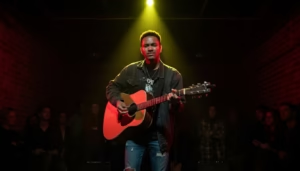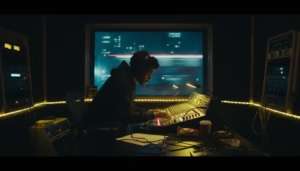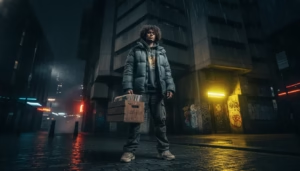


The algorithm is a ghost. It feeds you polished, three-minute pop gems and labels them as a revolution, but true afrobeat is a 12-minute storm that refuses to be tamed by a corporate playlist. You’ve likely felt that disconnect while scrolling through a sterile “Global Hits” mix. It’s a hollow experience that leaves the soul hungry for the raw, polyrhythmic sweat of a live horn section. You don’t want a background track; you want the visceral truth of the underground.
We know you’re tired of the shallow curation that treats culture like a disposable commodity. You want the wax, the dust, and the defiant message behind the music. This isn’t just about sound; it’s about a preordained legacy. This article promises to reconnect you with the genre’s authentic pulse. We’ll explore the rhythmic roots and the political fire that forged this movement in the 1970s, alongside the modern independent evolution shaping the global sonic landscape in 2026. From identifying key sonic markers to joining the wider collective, we’re tracing the destiny of a movement that the mainstream can’t contain.
Afrobeat is more than a tempo; it’s a destiny. It’s a visceral collision of Nigerian highlife, heavy jazz, and traditional rhythms that refuses to be tamed. While the global charts are flooded with polished hits, the Afrobeat movement remains a raw, political force. It represents a collective heartbeat that began in the late 1960s and continues to thump through the floorboards of underground clubs in London and Lagos alike. This isn’t background noise. It’s an invitation to witness the struggle and the triumph of the human spirit.
True afrobeat thrives on the friction of a live band. It demands a message. It’s inherently political, stripped of the sterile layers that define modern commercial music. In 2026, authenticity is the only currency that matters to the dedicated listener. We don’t look for perfection. We look for the truth in the groove.
Music is a calling. For the Sons of Destiny collective, every recording is a tool for social change. We value the raw aesthetic of a room where the air is thick with the heat of a ten-piece band. The “vibe” isn’t manufactured in a software suite. It’s a sonic energy created when musicians lock into a singular, hypnotic groove. Authentic recordings capture this tension. They feel lived-in. They sound like the truth. This spiritual connection between the player and the listener is what makes the genre a preordained journey rather than a simple career choice.
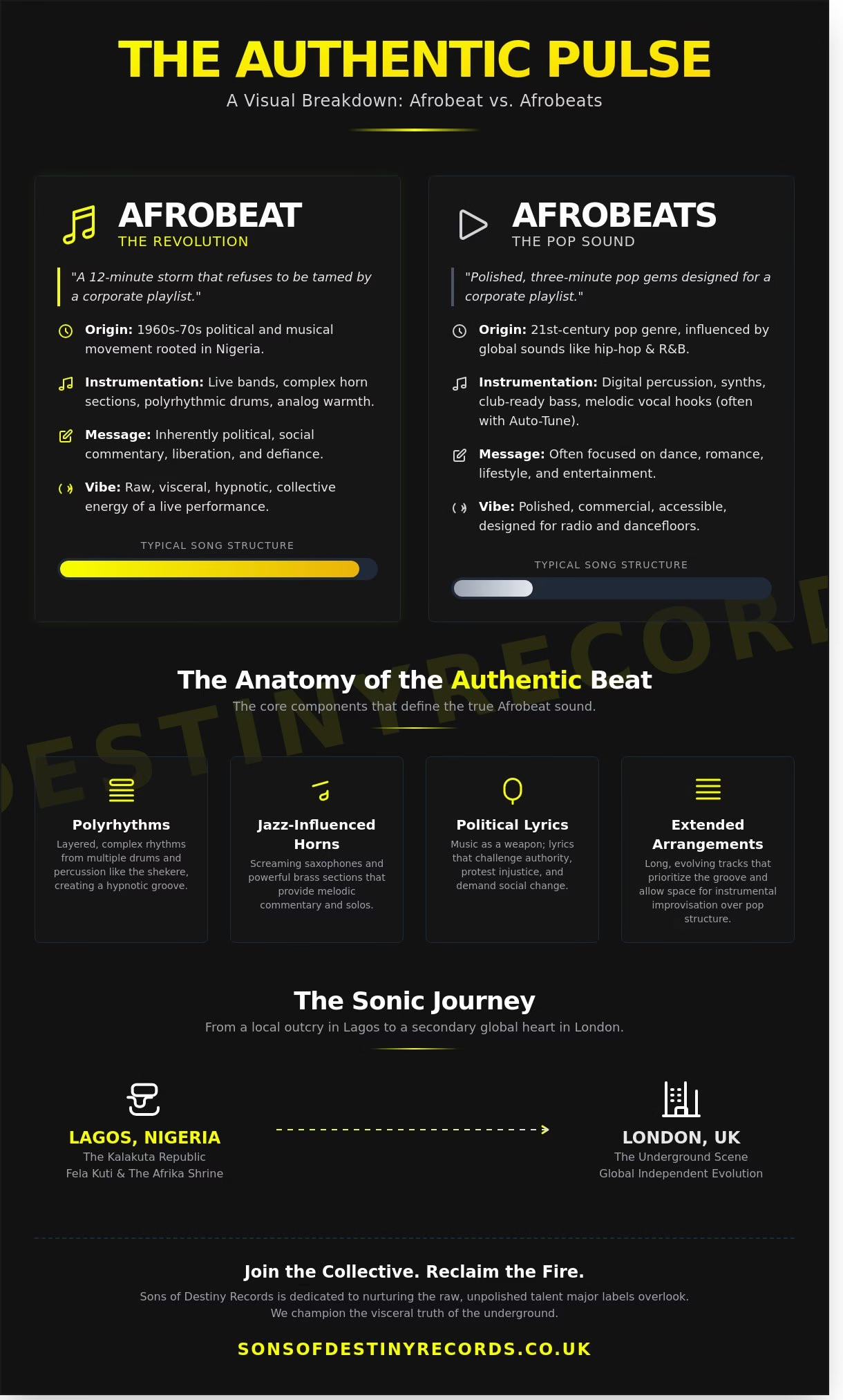
We must distinguish the movement from the pop sound. Afrobeat (singular) is the 1960s-rooted revolution led by figures like Fela Kuti. It relies on live instrumentation, complex horn sections, and long arrangements. Afrobeats (plural) is the 21st-century digital pop production designed for the dancefloor. For independent artists today, this distinction is vital. One is a commercial product; the other is a legacy pressed into 180g wax. Real afrobeat doesn’t hide behind Auto-Tune. It stands tall with a saxophone and a message. The focus remains on the physical nature of the music, the tactile feel of the instruments, and the grit of the performance.
Choosing the path of the singular afrobeat means choosing the hard road. It means valuing the collective over the individual. It means ensuring that every note played is a step toward a musical legacy that will outlast any digital trend.
Lagos, 1968. The air was thick with rebellion and the sweat of highlife clubs. It wasn’t just music; it was a survival tactic. From those humid nights at the Afrika Shrine to the sold-out global stadiums projected for 2026, the trajectory of afrobeat remains a testament to raw, undiluted power. This wasn’t a trend manufactured in a boardroom. It was a pulse born in the Kalakuta Republic, a communal fortress where art and defiance were one and the same. The movement began as a local outcry and transformed into a global destiny.
Fela didn’t just play songs; he issued decrees. By 1970, his fusion of Yoruba rhythms and James Brown’s heavy funk created a sonic weapon. He understood that music is a tool for liberation. His “music as a weapon” philosophy wasn’t a metaphor; it was a lived reality that cost him his freedom and nearly his life. Today, his legacy dictates how our collective approaches the craft. Modern indie labels look to Fela’s blueprint for independence. They reject the sterile demands of the mainstream to protect the integrity of the wax, ensuring the message isn’t lost in the mix.
You can’t talk about the architecture of this sound without Tony Allen. He was the engine. While others played a beat, Tony played a conversation. He managed to pull four distinct rhythms from a single drum kit, creating a steady, hypnotic foundation that allowed the brass to scream. It’s a rhythmic complexity that defies the rigid, quantised grids of modern software. His contribution ensured the sound remained grounded in a physical, human reality.
The magic lies in the polyrhythm. It’s a layered chaos that finds perfect order. You have the “shekere” providing a dry, percussive grit against the deep, melodic throb of the bassline. These traditional elements aren’t just relics; they are the heart of every authentic pressing we spin. The architecture of afrobeat relies on specific, tangible components:
Software cannot replicate the sweat and breath of a live horn section. There is a physical resonance in a brass arrangement recorded to tape that a digital plugin will never grasp. For those who seek this level of sonic truth in their collection, the history of the movement is as vital as the music itself. By 2026, as global charts lean harder into these rhythms, the underground stays focused on the source. The beat goes on, steady and uncompromising.
The sound didn’t just cross the Atlantic. It claimed new territory. In the 1970s, the groove was a marathon. Long-form orchestral jams defined the era. By 2011, the tempo shifted. D’Banj’s “Oliver Twist” hit the UK Singles Chart at number 9. It marked a turning point. The 15-minute political sermon became a three-minute radio weapon. This wasn’t just a change in length. It was a tactical evolution for global ears. Afrobeat transitioned from the underground clubs of Lagos to the main stages of Glastonbury, proving its destiny was always global.
Critics claim the digital polish killed the grit. They say the 808s replaced the sweat of the Shrine. We disagree. The soul didn’t vanish. It migrated into the textures. Independent collectives are pushing back against the sterile, playlist-ready sound of major labels. They want the dirt. They want the hiss. The movement is reclaiming its edge. It’s about the raw energy that transcends a clean mix. The transition to punchy tracks hasn’t erased the message; it’s simply amplified the pulse for a faster world.
London is the second heartbeat of the movement. British-Nigerian artists in Peckham and Dalston fused road rap grit with ancestral rhythms. The 2010s saw the rise of the indie afrobeat scene. It thrived in basement spots like the Total Refreshment Centre in Dalston. These spaces allowed the sound to breathe away from corporate interference. It created a hybrid identity. London street culture met Lagos heat. The collective energy in these venues refined the sound for a new generation of listeners who value authenticity over hype.
The shift to streaming changed the game. Convenience replaced the tactile ritual of the needle. By 2024, streaming accounted for over 80% of music consumption in the UK. Something was lost in the compression. Now, in 2026, the tide is turning. Independent labels are pressing heavy 180g wax again. They value sonic integrity. They want the listener to feel the kick drum in their chest, not just through earbuds. The raw, analogue feel is the new standard for the dedicated crate-digger. It’s a return to the physical reality of the music.
Major labels often trade in templates. They want the afrobeat aesthetic but fear the raw, unpolished edge that gives the music its heartbeat. They seek a sanitised version fit for a corporate playlist; a sound stripped of its political and spiritual weight. The underground refuses this compromise. It stays gritty. It stays real. In 2023, the BPI reported that independent labels grew their market share for the sixth consecutive year, reaching 28.6% of the UK total. This shift proves that listeners are hungry for the visceral truth found in the collective, not the sterile output of a boardroom.
Indie labels don’t just book a session; they build a legacy. They understand that artist development is a slow burn, not a viral moment. It’s about the sonic texture of the wax and the integrity of the message. While major corporations focus on quarterly margins, the underground focuses on the “destined” sound that resonates in the gut. It’s about protecting the creator. In a world where streaming fractions can be deceptive, independent artists must secure their masters and every £ of their royalties. Ownership is the only path to true freedom.
Mentorship is the backbone of the tradition. It isn’t a business meeting; it’s a bloodline. Elders pass the rhythm to the youth, ensuring the fire doesn’t die out. Professional studios in the indie space function as temples where the “live” energy of a performance is captured, not corrected. We don’t hide the sweat; we amplify it. For creators looking to sharpen their craft without losing their soul, independent artist development UK provides the essential blueprint for navigating the London scene while keeping your artistic integrity intact.
You can spot a manufactured sound instantly. It feels hollow. It lacks the depth that comes from a genuine story. By 2026, the underground will be the only place where true afrobeat innovation happens. The mainstream will always be three steps behind, trying to mimic the vibration the collective has already perfected. Staying true to the message is the only way to ensure commercial success doesn’t turn into artistic bankruptcy.
The journey from the street to the global stage is preordained for those who refuse to water down their sound. Don’t let the suits dictate your rhythm. Your voice is your power. Your music is your destiny.
Ready to record your legacy without the corporate filter? Join the Sons of Destiny collective today.
Sons of Destiny Records doesn’t deal in polish. We deal in truth. We stand as the curators of a legacy that refuses to be diluted by corporate interests. This isn’t about manufactured hooks or sterile studio sessions. It’s about the raw, unfiltered afrobeat pulse that vibrates through the floorboards of independent UK venues. We’re here to protect the wax, the sonic integrity, and the artists who live for the craft. Our mission is clear. We’re building a preordained musical legacy, one pressing at a time. We don’t follow trends. We set the rhythm for those who know the difference between hype and heritage. This is a sanctuary for the crate-diggers and the rebels who demand more from their speakers.
The movement is bigger than a single track. It’s a collective effort. We’ve carved a path outside the mainstream, creating a space for those who value substance over corporate gloss. You aren’t just a listener here. You’re part of the lineage. Every beat we drop and every record we press is a testament to the underground culture that keeps this music alive.
The stage is where the masks fall off. Our “Rep Ur Country” showcase is the ultimate proving ground for this sound. Expect heat. Expect community. Expect a raw sonic assault that defies the boundaries of a standard gig. In the live arena, there’s no hiding behind production tricks. It’s the final test for any artist claiming the crown. The energy is thick, heavy, and undeniable. You can witness this evolution yourself by securing Rep Ur Country concert tickets for our next landmark event in 2026. This is where the cultural movement finds its voice, bringing together the most authentic artists from across the diaspora to reclaim the stage. We’re moving beyond the digital screen and back into the physical space where music actually lives.
We’re looking for the visionaries. If you’re an artist with a unique sonic profile, the Sons of Destiny collective is your home. We provide the environment to refine your craft without stripping away your edge. We value the grit. We value the struggle. For the fans, your support is the lifeblood of the independent scene. Supporting underground wax and live shows ensures the afrobeat movement remains in the hands of the creators, not the suits. The future is already written. It’s a shared journey. Your presence at a show or your purchase of a limited pressing isn’t just commerce; it’s an investment in a culture that refuses to die. It’s time to decide if you’re watching from the sidelines or helping us shape the destiny of the sound.
The destiny is unfolding. Don’t just hear the music. Live it. Support the independent scene and witness the legacy take its rightful place.
The journey from Fela Kuti’s 1970s revolution to the 2026 global takeover proves one thing. This sound cannot be contained. We’ve explored how the afrobeat movement thrives on raw authenticity rather than the sterile output of major labels. The underground remains the heartbeat of this sonic evolution, where independent spirits dictate the rhythm. At Sons of Destiny, we’re more than a label; we’re an independent collective dedicated to artist development and the tactile truth of the music. We value the deep pressings and the grit of the street over corporate jargon. Our Rep Ur Country cultural showcase stands as the UK’s ultimate testament to this legacy, bringing the vibration of the underground to the forefront of the cultural conversation. The pulse is steady. The mission is clear. It’s time to step out of the digital noise and into the physical energy of the movement. Your place in this history is already written. Let the drums lead you home.
Join the movement and secure your Rep Ur Country concert tickets
Afrobeat is a specific 1960s fusion of jazz, funk, and highlife, while Afrobeats acts as a 21st-century umbrella for West African pop. Fela Kuti defined the original sound in 1968 through long, complex arrangements and live instrumentation. Modern Afrobeats relies heavily on digital production and shorter radio edits. Understanding this distinction is vital for any collector seeking authentic wax that carries the true pulse of the street.
Fela Anikulapo Kuti is the undisputed father of the afrobeat movement. He forged the sound in Lagos during the late 1960s alongside his legendary drummer, Tony Allen. Together, they blended traditional Yoruba rhythms with American soul and funk. This wasn’t just music; it was a visceral sonic revolution that challenged the Nigerian military government. His legacy remains the blueprint for every artist in the collective today.
Afrobeat remains a dominant cultural force in 2026, driving a 12 percent rise in independent vinyl pressings across the United Kingdom. The genre’s influence persists because it offers a raw, honest alternative to sterile, polished pop. Listeners today crave the grit found in live, uncompressed instrumentation. It’s a destiny fulfilled for a sound that refused to stay underground and chose to lead the global rhythm instead.
A standard band features a powerful brass section, polyrhythmic percussion, and interlocking electric guitars. You’ll typically find a tenor saxophone, trumpet, and congas driving the heavy groove. The Shekere adds a distinct, sharp texture to the mix. These instruments create the dense, hypnotic layers that define the genre’s authentic sonic profile. It’s about the collective energy of 10 or more players in the room.
Independent artists should start by mastering live performance and connecting with local creative collectives. Investing roughly £450 in a solid microphone and interface allows for home tracking, but the real magic happens in a shared space. Focus on the deep groove first. Networking at venues like London’s Jazz Café helps you find the right players to fulfill your musical destiny and build a following.
This genre is political because it originated as a direct protest against systemic oppression and state corruption in West Africa. Fela Kuti used his lyrics to expose the 1977 military raid on his Kalakuta Republic compound. Every beat serves as a rhythmic strike against injustice. It’s music with a mission, meant to wake up the listener and provoke real thought about the world we inhabit.
You can record in a standard studio, but you’ll need space to house at least 10 musicians simultaneously to capture the true energy. Digital plugins often fail to replicate the warmth of a 16-track analogue tape machine. Most professional UK studios charge between £250 and £500 per day for high-end tracking. Prioritise a room with natural acoustics to keep the sound raw, visceral, and true to the source.